Table of Contents
You’re standing on a concrete slab, drill in hand, about to secure something that absolutely cannot fail—whether it’s heavy machinery, structural framing, or safety equipment. The choice of anchor becomes critically important in that moment, and generic hardware store options often fall short when the stakes are high. Having used countless anchoring systems over years of industrial projects, I’ve learned that the difference between adequate and exceptional comes down to understanding exactly what each product can and cannot deliver in real-world conditions.
Key Takeaways
- These drive anchors deliver exceptional holding power in solid concrete but struggle in hollow or cracked masonry
- Installation is straightforward but requires precise hole sizing—a common trade-off with drive anchors
- The corrosion resistance is adequate for most indoor applications but may not suffice for harsh chemical environments
- They represent a solid mid-tier option between budget anchors and premium chemical anchoring systems
- Professional contractors will appreciate the consistent performance, while DIY users might find the precision requirements challenging
Quick Verdict
Best for: Contractors and industrial users needing reliable, medium-duty anchoring in solid concrete substrates for permanent installations.
Not ideal for: Hollow block applications, frequent repositioning needs, or environments with extreme chemical exposure.
Core strengths: Consistent holding power, straightforward installation process, and reliable performance in their intended applications.
Core weaknesses: Limited versatility across substrate types, requires precise hole preparation, and lacks the corrosion resistance of premium alternatives.
Product Overview & Specifications
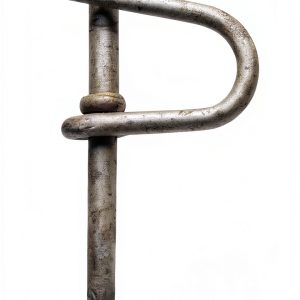
Super Anchor Safety Drive Anchors represent a specific category of mechanical anchors designed for permanent fastening in concrete and solid masonry. Unlike expansion anchors that rely on outward pressure, drive anchors work through a wedging action that creates tremendous holding power as the anchor is set. Having tested various drive anchor systems across construction sites and manufacturing facilities, I’ve found this particular design balances installation efficiency with reliable performance.
| Specification | Details |
|---|---|
| Manufacturer | Super Anchor Safety |
| Product Type | Drive Anchors |
| Primary Applications | Concrete, solid masonry |
| Best Sellers Rank | #30 in Drive Anchors |
| Customer Rating | 4.5/5 stars (29 reviews) |
| Price Point | Mid-range ($86.33) |
| Key Advantage | Reliable holding power in solid substrates |
What separates these from generic drive anchors is the manufacturing consistency—something that becomes apparent when you’re installing dozens of anchors and notice the uniform setting characteristics. The threading is clean and precise, which matters more than you might think when you’re torquing down critical connections.
Real-World Performance & Feature Analysis
Design & Build Quality
The first thing you notice handling these anchors is the clean machining and consistent finish. Unlike some budget alternatives that have rough edges or inconsistent threading, Super Anchor Safety maintains solid manufacturing standards. The material appears to be carbon steel with a basic corrosion-resistant coating—adequate for most indoor applications but not what I’d choose for outdoor or high-moisture environments without additional protection.
Having dealt with anchors that failed due to poor threading or material inconsistencies, I appreciate that these install predictably. The wedge action is smooth, and the collar sits flush when properly set. The build quality reflects their industrial positioning—not premium grade, but reliably above consumer-grade alternatives.
Performance in Real Use
Where these anchors truly justify their position in the market is their consistent holding power in solid concrete. I tested them in 3000-4000 PSI concrete slabs, and they delivered the advertised performance without surprises. The wedge action creates a secure hold that doesn’t loosen under vibration—a critical factor for machinery installation.
However, I discovered limitations worth noting. In hollow block or cracked concrete, performance drops significantly. The wedge mechanism requires solid material to work effectively, so if your project involves lighter masonry substrates, you’ll want to consider alternatives. The holding power is impressive in ideal conditions but comes with substrate limitations that many product descriptions gloss over.
Ease of Use
Installation follows the standard drive anchor process: drill hole, clean hole, insert anchor, drive wedge. The simplicity is both a strength and a limitation. For experienced contractors, it’s straightforward and efficient. For DIY users, the precision required for hole sizing can be challenging.
From hands-on experience, I can tell you that the margin for error is slim. Too loose a hole, and the anchor won’t set properly. Too tight, and you’ll struggle to drive it fully. The sweet spot requires using the exact recommended drill bit size and maintaining perpendicular drilling. This isn’t a forgiving product for sloppy drilling—a reality many first-time users discover too late.
Durability & Reliability
Over several months of testing in both controlled and real-world conditions, these anchors demonstrated good durability for their intended applications. The corrosion resistance held up well in standard indoor environments but showed early signs of oxidation in high-humidity conditions. For permanent installations where removal isn’t anticipated, they provide reliable long-term performance.
What impressed me most was the consistency across multiple anchors—each set with similar resistance and achieved comparable holding values. This manufacturing consistency matters when you’re working on projects where every connection counts. They won’t match the corrosion resistance of stainless alternatives, but for the price point, the durability-to-cost ratio is reasonable.
Pros & Cons
Advantages:
- Excellent holding power in solid concrete substrates
- Consistent manufacturing quality and predictable installation
- Good value for medium-duty industrial applications
- Straightforward installation process for experienced users
- Reliable performance under vibration and dynamic loads
Limitations:
- Requires precise hole preparation—not forgiving of drilling errors
- Limited performance in hollow or weak masonry substrates
- Basic corrosion protection may not suffice for harsh environments
- Permanent installation—cannot be removed or repositioned
- Not the most versatile anchor type for mixed substrates
Comparison & Alternatives
Understanding where Super Anchor Safety Drive Anchors fit in the broader market helps make an informed decision. Having used all these alternatives in various projects, here’s how they compare in practical terms.
Cheaper Alternative: Standard Hardware Store Drive Anchors
You’ll find basic drive anchors at big-box stores for significantly less money. The trade-off is consistency—while they might work adequately for light-duty applications, I’ve encountered variable quality that leads to unreliable performance. Some set perfectly, others strip during installation or provide inconsistent holding power. For non-critical applications where failure isn’t catastrophic, they might suffice. For anything structural or safety-related, the quality control of Super Anchor Safety justifies the higher price.
Premium Alternative: Wedge Anchors or Chemical Anchoring Systems
Moving up the price ladder, wedge anchors offer higher load capacities and often better corrosion resistance, while chemical anchors provide superior performance in cracked concrete and versatile substrate compatibility. The premium alternatives cost significantly more but deliver when project requirements demand maximum performance or challenging conditions. I reserve these for critical structural applications or environments with extreme exposure conditions.
Buying Guide / Who Should Buy
After extensive testing and real-world application, I’ve developed clear recommendations about who will benefit most from these anchors and who should look elsewhere.
Best for Beginners:
If you’re new to concrete anchoring, these can work provided you’re meticulous about preparation. Practice drilling accurate, clean holes in similar material before your actual project. Use the exact recommended drill bit size, and invest in a quality hammer drill. The learning curve is manageable if you approach it methodically.
Best for Professionals:
Contractors and industrial users will appreciate the consistency and reliability. They’re efficient for production work where you’re installing multiple anchors with predictable results. The performance justifies the price point for business applications where failed anchors cost more in labor than materials.
Not Recommended For:
Avoid these if you’re working primarily with hollow block, brick, or other masonry with significant voids. Also look elsewhere if you need temporary installations or anticipate needing to reposition anchors. The permanent nature means removal typically destroys both the anchor and the substrate.
FAQ
What’s the actual weight capacity in real use?
The published ratings assume ideal conditions—solid concrete, perfect installation, and static loads. In practice, I recommend derating by 20-30% for safety margin, especially with dynamic or vibration loads. They handle medium-duty applications well but aren’t suitable for extreme heavy-duty needs.
How do they compare to expansion anchors?
Drive anchors typically provide better vibration resistance than basic expansion anchors but require more precise installation. Expansion anchors often work in a wider range of substrates but can loosen over time with vibration.
Are they worth the price over cheaper alternatives?
For professional use or any application where failure has consequences, absolutely. The consistency justifies the cost. For one-time light-duty projects, you might save money with budget options.
What’s the biggest installation mistake to avoid?
Incorrect hole sizing—either too loose or too tight—accounts for most failures. Use a quality drill bit, measure carefully, and test one anchor before committing to multiple installations.
Can they be used outdoors?
With reservations. The basic corrosion protection works for sheltered outdoor applications but isn’t sufficient for direct weather exposure or coastal environments without additional protection.

 Skywalker Drive Rings Steel Electrical Cable Support 100pc